
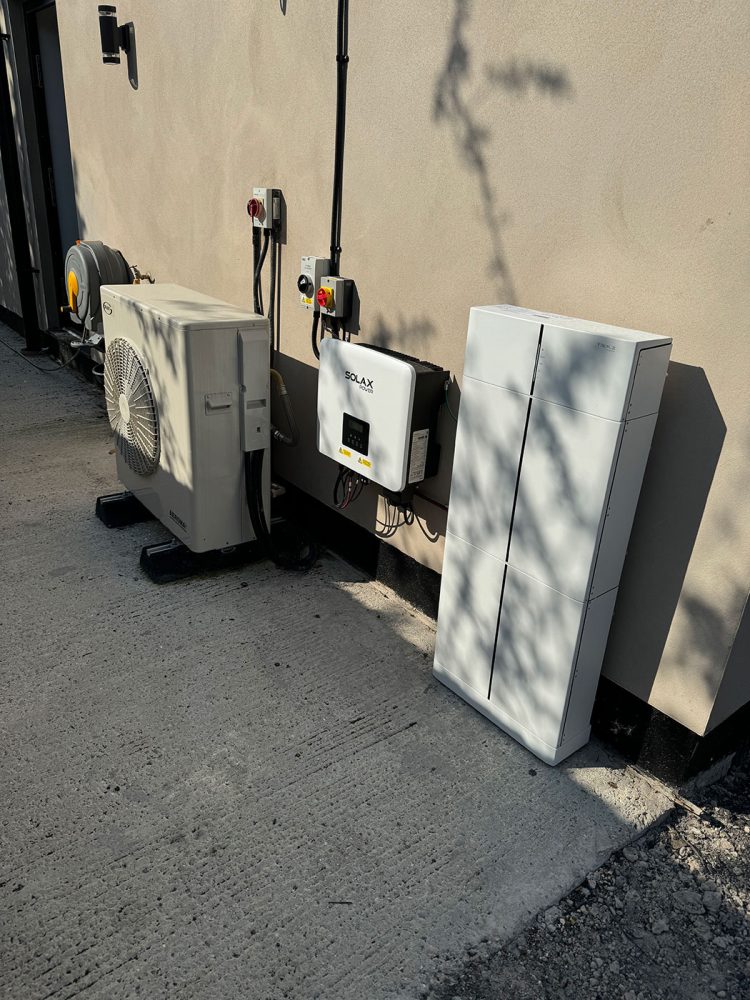
How Much Difference Will a Battery Make to Your Energy Savings?
In the UK, a battery can make a worthwhile difference to your energy savings, but the size of that difference depends heavily on how and when you use electricity. In simple terms, a battery helps you keep and use more of your own cheaper electricity instead of buying it from the grid later, which can be particularly useful for homes and small businesses in places like Horley, Reigate, Redhill, Crawley, and across Surrey and West Sussex.
This guide explains what a battery does, how it affects savings, when it is worth it, and where expectations need to stay realistic. It covers:
- What a battery actually does
- Where savings come from
- How much difference it can make in real life
- Who batteries suit best
- When a battery may not be worth it
- How size and usage affect results
- Installation, disruption, and practicalities
- Common mistakes and misunderstandings
- What to look at before you commit
- Ongoing maintenance, monitoring, and warranties
What is a home or business battery?
A battery stores electricity so you can use it later instead of using it the moment it is generated or importing it from the grid.
Most often, in UK properties, the battery is paired with solar panels. During the day, solar may produce more electricity than you need at that moment. Without a battery, much of that spare electricity may be exported out to the grid. With a battery, more of it can be stored and used later, often in the evening when demand at home is higher.
A battery is not a generator. It does not create electricity on its own. It simply stores electricity from solar, or in some setups from the grid at cheaper times, ready for later use.
Where do the savings actually come from?
The main saving comes from buying less electricity from the grid at expensive times.
If you have solar but no battery, you may still save money by using your solar electricity during the day. The problem is that many households are out during working hours, so a lot of solar generation happens when demand in the property is low. A battery helps shift that value into the evening.
The usual savings routes are:
- using more of your own solar electricity at home
- reducing how much electricity you import in the evening
- charging cheaply on off-peak tariffs where suitable
- helping cover regular overnight or early morning demand
In plain English, a battery often improves the value of electricity you already generate or buy cheaply.
How much difference can a battery make?
A battery can make a modest difference in some properties and a significant difference in others. There is no single figure that fits everyone.
For many homes, the difference comes down to how much unused daytime solar you currently have and how much electricity you need later in the day. A family home in Crawley or Redhill with higher evening use may benefit more than a household that already uses much of its solar power during the day. A small business in Surrey with most of its demand during working hours may see a different pattern again.
Illustratively, the biggest gains often happen where:
- solar generates plenty of excess daytime electricity
- the property uses a fair amount of power in the evening
- grid electricity is relatively expensive compared with export value
- the battery is sized sensibly for the property
The key point is this: a battery does not magically slash bills on its own. It improves how well your system matches your real usage.
Is a battery always worth it with solar?
No. A battery is not automatically worth adding just because you have solar panels.
If you are at home for much of the day and already use a high share of your solar electricity directly, the extra saving from a battery may be smaller than expected. Equally, if your electricity use is quite low, or your budget is tight, the payback period may be longer than you are comfortable with.
On the other hand, a battery can be attractive if you regularly generate spare solar power and then buy electricity back from the grid later the same day. This is common in many UK homes, including commuter households in places like Horley, Reigate, and surrounding parts of West Sussex.
JPEC Green Energy can help here by looking at the real pattern of your property, rather than assuming a battery is always the right answer. A proper survey and design should explain the likely trade-offs and savings in plain English.
Who tends to benefit most from a battery?
Batteries tend to suit properties where there is a mismatch between when electricity is generated and when it is used.
Typical examples include:
- households that are out in the day and use more power in the evening
- homes with solar panels and regular evening cooking, washing, and entertainment use
- homes charging an EV at specific times
- properties on time-of-use tariffs, where electricity costs vary by time of day
- some small businesses that want better control over imported electricity
A battery may also appeal to people who want more control over their energy use, even if the pure financial return is not the only reason for installing one.
Who may not benefit as much?
A battery may be less worthwhile if your setup or habits mean there is not much spare electricity to store, or not much expensive grid electricity to avoid.
This can include:
- homes with low electricity use overall
- properties with little spare solar generation
- households that already use most solar energy as it is produced
- properties where the battery would spend much of its time only partly used
- cases where expected savings are small compared with system cost
It can also be poor value if the battery is oversized. Bigger is not always better. A battery that is too large for your actual needs may add cost without adding proportional savings.
How do usage habits affect savings?
Usage habits matter as much as the hardware.
Two homes in West Sussex with the same solar array and the same battery could see very different results. One family may leave the house empty all day and use electricity heavily between 5pm and 10pm. Another may have someone working from home, run appliances during solar hours, and already use more of their own generation directly.
A few practical examples:
- If you run washing machines, dishwashers, or immersion heating during sunny daytime hours, you may rely less on a battery.
- If most of your demand is in the evening, a battery is more likely to help.
- If you charge an EV overnight on a cheap tariff, that can change the battery value calculation.
- If you have a small business with strong daytime demand, your solar may already be used directly, which can reduce the extra value of storage.
This is why a sensible battery recommendation should be based on actual usage patterns, not guesswork.
How important is battery size?
Battery size is one of the biggest factors in whether the numbers stack up.
A battery that is too small may fill up quickly and not cover enough of your later demand. A battery that is too large may sit with unused capacity for much of the year. The best result is usually a battery sized around your actual generation, evening demand, and tariff setup.
Things that affect sizing include:
- how much electricity your solar system usually exports
- how much you typically use after solar generation drops
- whether you want to charge from the grid at cheap times
- whether you want limited backup for certain circuits
- your budget and expected payback period
JPEC Green Energy can survey, design, and advise on this properly, which matters because battery sizing is one of the easiest places to get the wrong result.
Can a battery provide backup in a power cut?
Sometimes, but not always.
Many people assume that if they have a battery, the house will automatically stay on during a power cut. That is not necessarily true. Some batteries are installed only to help with bill savings and do not provide backup power as standard. Others can support backup loads, but only if the system is designed for that purpose.
Even where backup is possible, it usually covers selected essentials rather than everything in the property.
This might include:
- lighting
- refrigeration
- broadband
- sockets for small devices
- selected heating controls
If backup matters to you, that should be discussed at design stage. It is a specific feature, not something to assume comes with every battery setup.
What does installation involve?
Battery installation is usually fairly straightforward, but it still needs proper planning, safe electrical work, and commissioning. Commissioning means setting the system up, testing it, and making sure it is operating correctly.
The exact work depends on the existing system, but installation often involves:
- surveying the property and existing consumer unit
- deciding where the battery and inverter will go
- checking ventilation, clearances, and cable routes
- carrying out the electrical installation
- configuring monitoring and settings
- testing and handing the system over
Disruption is often limited, but access and layout matter. In some homes in Reigate, Redhill, or older parts of Surrey, space, wall construction, or cable routes can affect the final design. Qualified installation matters because batteries involve high-voltage electrical equipment and must be installed and commissioned correctly.
JPEC Green Energy can advise on suitability, installation practicalities, and likely performance before work starts, which helps avoid surprises.
What are the common mistakes and misunderstandings?
The most common mistake is expecting the battery to save more than it realistically can.
Other common issues include:
- choosing size based on guesswork rather than usage data
- assuming every battery provides blackout backup
- focusing only on maximum storage size rather than real daily use
- ignoring tariff structure and export rates
- buying on headline savings claims without checking the assumptions
- Another misunderstanding is treating the battery as a quick win in every property. Sometimes the better first step is to improve solar design, look at daytime usage habits, or review tariffs. In other cases, storage genuinely adds value. The right answer depends on the site.
What should you check before committing?
Before going ahead, you should ask for a clear explanation of expected performance, cost, and limitations.
A good pre-installation discussion should cover:
- how much electricity you currently use and when
- how much solar electricity you export today, if you already have panels
- expected savings based on your usage, not generic averages
- whether backup power is included or not
- likely installation location and access requirements
- monitoring, warranty, and aftercare arrangements
You should also ask what the battery will not do. That often tells you as much as the sales figure does.
What about maintenance, monitoring, and warranties?
Most modern batteries are fairly low maintenance day to day, but that does not mean they should be ignored.
Monitoring is useful because it shows how much charge is stored, how much electricity is being imported or exported, and whether the system is performing as expected. Over time, this helps you see whether the battery is delivering the value you expected.
In general terms, you should expect to discuss:
- app or portal monitoring
- battery and inverter warranty terms
- product lifespan expectations
- any servicing recommendations
- who to contact if performance does not look right
Qualified installation and proper commissioning are important here too. A well-designed system is not just about fitting the equipment. It is about making sure the setup works properly over time.
So, will a battery make a big difference to your savings?
It can, but only in the right circumstances.
For many UK properties, a battery makes the biggest difference where solar produces spare electricity in the day and the home or business uses a lot of electricity later on. For others, the savings uplift may be relatively modest. The battery may still be worthwhile, but the case should be based on real usage, not broad promises.
For homeowners and small businesses in Horley, Reigate, Redhill, Crawley, and across Surrey and West Sussex, the most sensible approach is to look at the property, usage pattern, tariff, and existing system together. That gives you a much clearer idea of whether storage will genuinely improve savings and by how much.
JPEC Green Energy can help
If you want to know how much difference a battery could make to your savings, JPEC Green Energy can help with a proper survey, clear design advice, and a quote based on your property and how you actually use energy. They can explain likely savings, trade-offs, installation practicalities, and expected performance in straightforward language. For next steps, contact JPEC Green Energy at 0800 955 2821 and renewables@jpecgroup.co.uk.
This guide is general information only and is not personal advice. Any recommendation on battery storage should be confirmed through a survey and system design based on your specific property, electricity use, and goals.