What Maintenance Is Needed for Solar Panels in the UK?
Solar panels need very little day to day maintenance. For most homes and small businesses in the UK, including places like Horley, Reigate, Redhill and Crawley, solar is largely a fit and forget system with only light cleaning, basic monitoring, and occasional professional checks.
In this guide, we will explain exactly what that means in practice and what you should realistically expect.
We will cover:
- How much maintenance solar panels actually need
- Cleaning: do you need to wash your panels?
- How often should panels be inspected?
- Inverter maintenance and replacement
- What about solar batteries?
- Monitoring and performance checks
- What can go wrong and warning signs to look for
- Roof, wiring and safety considerations
- Warranties and long term reliability
- Is solar really “low maintenance”?
How much maintenance do solar panels actually need?
Very little.
Solar panels have no moving parts. They simply sit on your roof and convert daylight into electricity. That simplicity is why they are reliable and low maintenance compared to boilers, heat pumps or engines.
For most properties in Surrey and West Sussex:
- There is no routine servicing requirement every year.
- There are no filters to change.
- There are no fluids to top up.
- There are no mechanical parts to lubricate.
The main ongoing tasks are keeping an eye on performance and making sure the system remains safe and undamaged.
Do solar panels need cleaning?
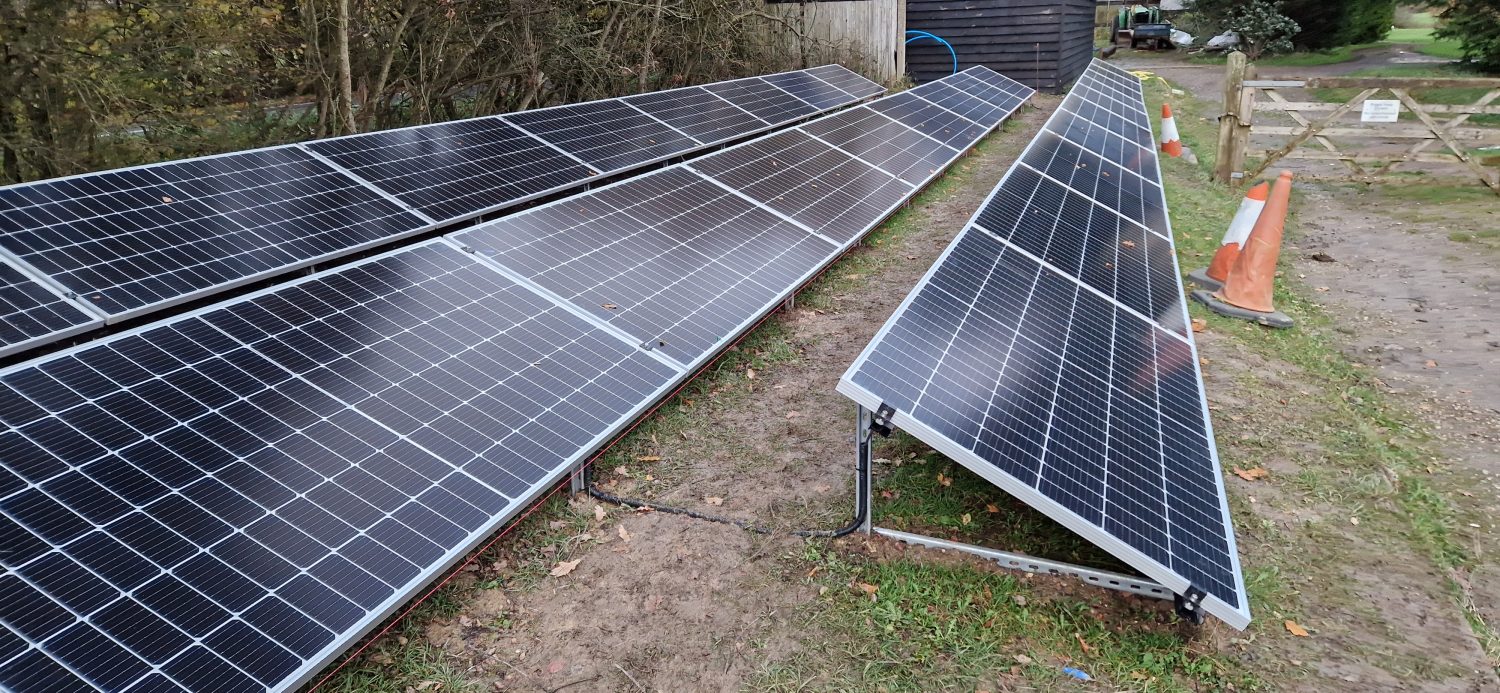
In most UK situations, rain does most of the cleaning for you.
Solar panels are installed at an angle, so rainwater helps wash away dust, pollen and light dirt. In towns like Reigate or Crawley, normal rainfall is usually enough to keep panels reasonably clean.
You might need cleaning if:
- You live near trees that drop sap or heavy pollen.
- There are birds regularly roosting above the array.
- You are near a busy road or agricultural land with high dust levels.
- You notice a clear drop in performance without another explanation.
Even then, cleaning is usually occasional rather than regular. Many systems go years without a proper wash.
Important points:
- Do not climb onto your roof yourself. It is a safety risk.
- Do not use pressure washers. They can damage seals and frames.
- Use a professional with the right equipment if cleaning is needed.
- In most cases, cleaning once every few years, if at all, is enough.
How often should panels be inspected?
There is no legal requirement for annual servicing of domestic solar panels in the UK. However, a periodic check can be sensible.
A professional inspection every few years can:
- Confirm the mounting system is secure.
- Check that cables are intact and protected.
- Ensure there are no signs of water ingress.
- Verify electrical connections remain sound.
If you are a landlord with multiple properties in Horley, Redhill or the surrounding areas, it can be sensible to combine solar checks with other electrical safety inspections.
JPEC Green Energy can carry out surveys and system health checks, explaining clearly whether anything actually needs attention or whether your system is performing as expected.
What maintenance does the inverter need?
The inverter is the part that converts the direct current (DC) electricity from the panels into usable alternating current (AC) for your home or business.
This is usually the component that requires attention first, not the panels themselves.
Inverters typically:
- Last around 8 to 15 years, depending on brand and installation conditions.
- Require no routine servicing.
- May need replacement once during the lifetime of the panels.
You should:
- Keep the area around the inverter clear for ventilation.
- Avoid blocking air vents.
- Check occasionally for error messages on the display or monitoring app.
If your inverter fails, your panels will stop generating usable power, even though the panels themselves may still be fine. Replacement is usually straightforward and completed in a day.
What about solar batteries?
If you have a battery, it will need slightly more attention than panels alone.
Modern lithium batteries are sealed units and do not require manual maintenance. However:
They rely on software updates and correct commissioning.
They may have a warranty of around 10 years or a set number of charge cycles.
They are sensitive to extreme temperatures if installed in unconditioned spaces.
You should monitor battery performance through the app and ensure it is not repeatedly hitting unusual errors.
A properly designed system, with the battery sized to match your usage patterns, will help avoid excessive wear. For example, a family home in Crawley with high evening electricity use may benefit from a larger battery than a retired couple at home during the day.
How do you monitor performance?
Monitoring is one of the most important “maintenance” tasks.
Most modern systems come with an online portal or app. This allows you to:
- See daily and monthly generation.
- Track how much electricity you export.
- Compare performance over time.
- Spot sudden drops in output.
- If you notice a sharp and sustained drop in generation that cannot be explained by weather or seasonal changes, that is the time to investigate.
For example:
Summer output should be much higher than winter.
A heavily overcast week in Redhill will naturally reduce output.
But a 40 percent drop compared to similar sunny days last year may indicate an issue.
JPEC Green Energy can review monitoring data and explain in plain English whether a drop is normal variation or a technical fault.
What can go wrong with solar panels?
Solar is reliable, but not immune to problems.
Potential issues include:
- Inverter failure.
- Loose or damaged wiring.
- Animal damage, especially from squirrels or birds.
- Water ingress if roof penetrations were poorly sealed.
- Storm damage in extreme weather.
Most of these problems are rare when systems are installed correctly by qualified installers.
One key point is that good installation matters as much as the equipment. Poor cable routing or badly secured mounting systems cause more long term issues than panel failure itself.
Are there roof or structural concerns over time?
Solar panels do not normally damage your roof when properly installed.
A well fitted system:
- Uses mounting systems designed for UK roof types.
- Maintains weatherproofing.
- Distributes weight safely across rafters.
- Panels can even protect the section of roof they cover from direct rain and UV exposure.
However, if your roof is already in poor condition, it should be addressed before installation. Replacing tiles under a 10 year old array is more disruptive and costly than doing roof repairs in advance.
This is why a proper survey is important. JPEC Green Energy carry out site assessments across Surrey and West Sussex to check roof condition, structure and access before installation.
What about safety and electrical compliance?
Solar systems must comply with UK electrical standards and building regulations.
- After installation, you should receive:
- Electrical installation certificates.
- Confirmation of compliance with relevant standards.
- Documentation for your Distribution Network Operator or DNO, which is the local company that manages the electricity network.
- Details for the Smart Export Guarantee or SEG, which is the scheme that pays you for exported electricity.
There is no ongoing paperwork burden for you after this stage, but keeping documentation safe is important for future property sales.
If any electrical modifications are made later, they should be done by qualified professionals familiar with solar systems.
Warranties and long-term reliability
Most solar panels come with:
- A product warranty of around 10 to 25 years.
- A performance warranty of around 25 years, guaranteeing a minimum output level over time.
Panels slowly degrade, typically around 0.3 to 0.8 percent per year. That means after 20 years, they may still produce around 85 to 90 percent of their original output.
Inverters and batteries usually have shorter warranties and are more likely to need replacement during the system lifetime.
From a maintenance perspective, this means budgeting mentally for a future inverter replacement, but not expecting frequent repairs.
Is solar really low maintenance in practice?
Yes, for most UK properties it is genuinely low maintenance.
For a typical homeowner in Reigate or Horley:
- You check your app occasionally.
- You may arrange cleaning once in several years if needed.
- You might replace the inverter once in 10 to 15 years.
That is usually the extent of it.
For small businesses in Crawley with daytime electricity demand, the main task is monitoring performance to ensure expected savings are being achieved.
Solar is not completely maintenance-free, but compared to boilers, vehicles or even garden equipment, it is very light touch.
Practical tips before and after installation
Before installation:
- Make sure your roof is in good condition.
- Choose an experienced installer, not just the cheapest quote.
- Ask about inverter location and ventilation.
- Understand how monitoring works.
After installation:
- Register for monitoring access straight away.
- Keep installation certificates safely stored.
- Do not ignore error messages.
- Arrange a professional check if you notice performance changes.
A clear explanation at the design stage helps avoid confusion later. JPEC Green Energy focus on realistic performance estimates and straightforward advice so you know what to expect.
JPEC Green Energy can help
If you are considering solar panels in Horley, Reigate, Redhill, Crawley or elsewhere in Surrey and West Sussex, JPEC Green Energy can survey your property, design the right system, install and commission it properly, and explain ongoing maintenance in plain English.
They can also review existing systems if you are unsure whether they are performing correctly or need attention.
This article is general information, not personal advice. Maintenance needs, performance and equipment lifespans vary by property, installation quality and usage. Always confirm recommendations through a professional survey and system design specific to your site.