Are solar panels worth it in the UK climate?
Yes, solar panels can be worth it in the UK climate. Even with cloudy weather, a well-designed solar system can generate a useful amount of electricity and reduce energy bills over time. In areas like Surrey and West Sussex, including Horley, Reigate, Redhill and Crawley, many homes generate a large share of their annual electricity from solar.
In this guide, we will look at whether solar panels make sense in the UK and what factors affect their value.
We will cover:
- How solar panels work in the UK climate
- How much electricity they typically generate
- What makes solar worthwhile financially
- When solar panels may not be suitable
- Roof direction, shading and other performance factors
- Daytime usage, batteries and exported electricity
- What installation usually involves
- Common misconceptions about UK solar
- Maintenance, lifespan and reliability
- How to judge whether solar is worth it for your property
How do solar panels work in the UK climate?
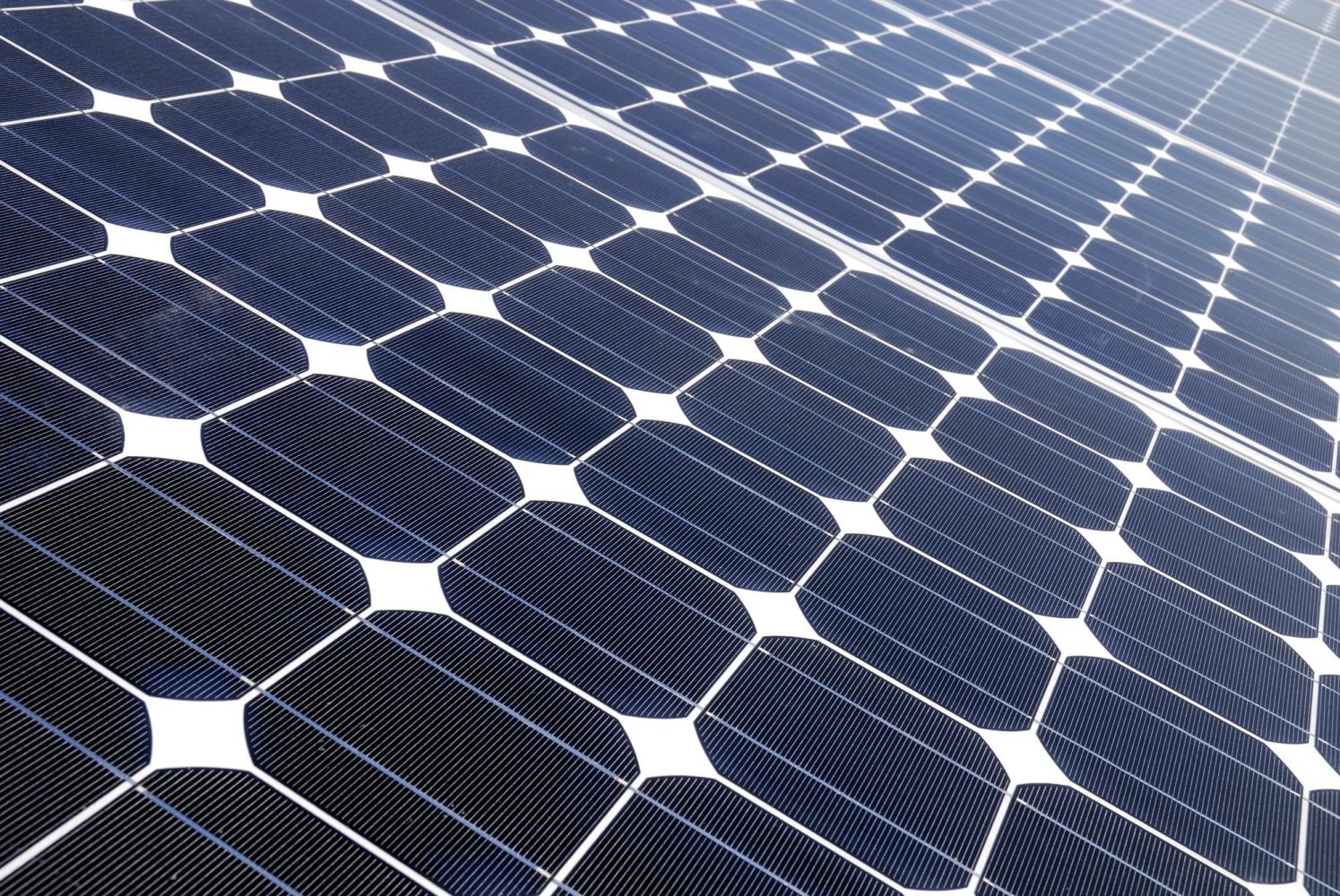
Solar panels work by converting daylight into electricity. They do not need direct sunshine to generate power.
This means they still produce electricity on cloudy or overcast days, although output is lower than in bright sun. The UK receives enough daylight across the year for solar panels to be effective.
A key point many people miss is that solar panels respond to light, not heat. Germany, for example, has a similar climate to the UK and has installed far more solar than Britain.
For homeowners in places like Horley or Crawley, this means solar can still make sense despite the reputation of the British weather.
How much electricity can solar panels generate in the UK?
A typical domestic solar system in southern England is around 3.5 to 5 kilowatts peak. This is written as kWp and means the system’s maximum output under ideal conditions.
In Surrey and West Sussex, a 4 kWp system might generate around:
3,400 to 4,000 kilowatt-hours (kWh) per year.
A kilowatt-hour is the unit of electricity used on your energy bill.
For comparison, many UK homes use around 2,700 to 4,000 kWh per year. That means a well-sized solar system can cover a significant portion of your annual electricity use.
However, generation varies across the seasons:
- Summer produces the majority of the energy
- Winter generation is much lower
- Spring and autumn sit somewhere in between
This seasonal variation is normal and expected.
What makes solar panels financially worthwhile?
Solar panels usually become worthwhile when they reduce the electricity you buy from the grid and when you receive payment for exported electricity.
Two things drive the economics:
- Using your own solar electricity
- Exporting surplus electricity
The export payment in the UK is called the Smart Export Guarantee, known as SEG. This scheme allows you to sell excess electricity back to the grid.
Whether solar is financially worthwhile depends on several factors:
- Your electricity usage
- How much of that usage happens during the day
- The size of your solar system
- Export rates offered by your energy supplier
- Installation cost
For example, a household in Reigate with daytime electricity use from home working or running appliances during the day will usually benefit more than a household that uses most electricity late at night.
For many homes in Surrey and West Sussex, solar systems typically pay for themselves over time through bill savings and export payments. Exact timescales vary by property and tariff.
When might solar panels not be worth it?
Solar panels are not suitable for every property.
Situations where they may be less worthwhile include:
- Heavily shaded roofs from trees or neighbouring buildings
- Small roofs with limited panel space
- North-facing roofs with poor sunlight exposure
- Very low electricity usage
- Roofs that need major repair or replacement soon
For example, a house in Redhill surrounded by tall trees may struggle to generate enough electricity to justify the investment.
This is why a proper site survey is important. Installers such as JPEC Green Energy assess shading, roof orientation and electrical setup before recommending a system.
A good installer should also explain when solar may not be the best option.
Does roof direction and shading make a big difference?
Yes, roof orientation and shading strongly influence solar performance.
The most productive roof in the UK is usually:
- South facing
- Around 30 to 40 degrees in pitch
- Free from shading
However, east and west facing roofs still work well and are common in homes across Crawley, Horley and other parts of Surrey and West Sussex.
East-west systems can even spread generation more evenly across the day, which sometimes matches household usage better.
Shading from trees, chimneys or nearby buildings can reduce output. A professional design will normally analyse shading to predict realistic performance.
Does it matter when you use electricity?
Yes. The value of solar depends heavily on when you use electricity.
Solar panels generate power during daylight hours. If you are not using that electricity at the time, it will usually be exported to the grid.
Homes that benefit most often include:
- Households where someone is home during the day
- Small businesses with daytime electricity demand
- Homes with appliances that can run during daylight hours
- Homes charging electric vehicles during the day
A battery can store excess solar electricity for use later in the evening, but it adds cost and is not always necessary.
A good system design should look at your usage pattern rather than just installing the largest possible system.
What does solar panel installation involve?
A typical domestic solar installation usually takes one to three days.
The main steps include:
- Scaffolding around the roof
- Roof mounting brackets attached to rafters
- Solar panels installed and wired together
- An inverter installed inside the property
The inverter converts DC electricity from the panels into AC electricity used by your home.
Installers must also deal with paperwork such as:
- MCS certification, which confirms the system meets recognised standards
- Notification to the Distribution Network Operator, known as the DNO, which manages the local electricity network
Experienced installers such as JPEC Green Energy manage this process, from design through to installation and commissioning.
Common misconceptions about solar in the UK
There are several myths that often cause confusion.
Some of the most common are:
“The UK is too cloudy for solar.”
Solar panels work with daylight, not just bright sunshine.
“Solar panels will eliminate my electricity bill.”
Solar can reduce bills but rarely removes them entirely, especially in winter.
“They only work in summer.”
Solar generates all year. Output simply varies by season.
“Solar needs constant maintenance.”
Modern solar systems require very little ongoing maintenance.
Clear, realistic expectations help you decide whether solar makes sense for your situation.
What maintenance and lifespan should you expect?
Solar panels are designed to last decades with minimal maintenance.
Typical expectations include:
- Panel lifespan of 25 years or more
- Inverter lifespan of roughly 10 to 15 years
- Occasional visual checks for debris or damage
Rain usually keeps panels reasonably clean in the UK climate. In most cases cleaning is rarely required unless there is heavy dirt or bird activity.
Most systems also include monitoring software so you can see how much electricity the panels generate.
Qualified installation and proper commissioning are important for reliability. Local installers such as JPEC Green Energy design systems carefully and provide ongoing support if needed.
How do you decide if solar is worth it for your home?
The real answer depends on your property, energy use and expectations.
Solar is usually worth considering if:
- Your roof receives reasonable sunlight
- You have enough roof space for a useful system
- You use a fair amount of electricity
- You plan to stay in the property for several years
A professional design can estimate generation, savings and export income based on your roof layout and usage patterns.
For homes in Horley, Reigate, Redhill, Crawley and across Surrey and West Sussex, this type of assessment helps turn a general idea into a clear decision.
JPEC Green Energy can help
If you are considering solar panels in Surrey or West Sussex, including Horley, Reigate, Redhill or Crawley, JPEC Green Energy can help you understand whether they are worthwhile for your property.
They can carry out a detailed survey, design a system tailored to your home or business, install and commission it safely, and explain the expected performance and trade-offs in plain English.
To discuss your property and get a tailored quote, contact JPEC Green Energy at 0800 955 2821 and renewables@jpecgroup.co.uk.
This article is general information only and not personal advice. The suitability, performance and financial return of a solar system should always be confirmed through a professional survey and system design based on your specific property, energy usage and local network conditions.