How can you protect yourself from rising energy bills in the UK?
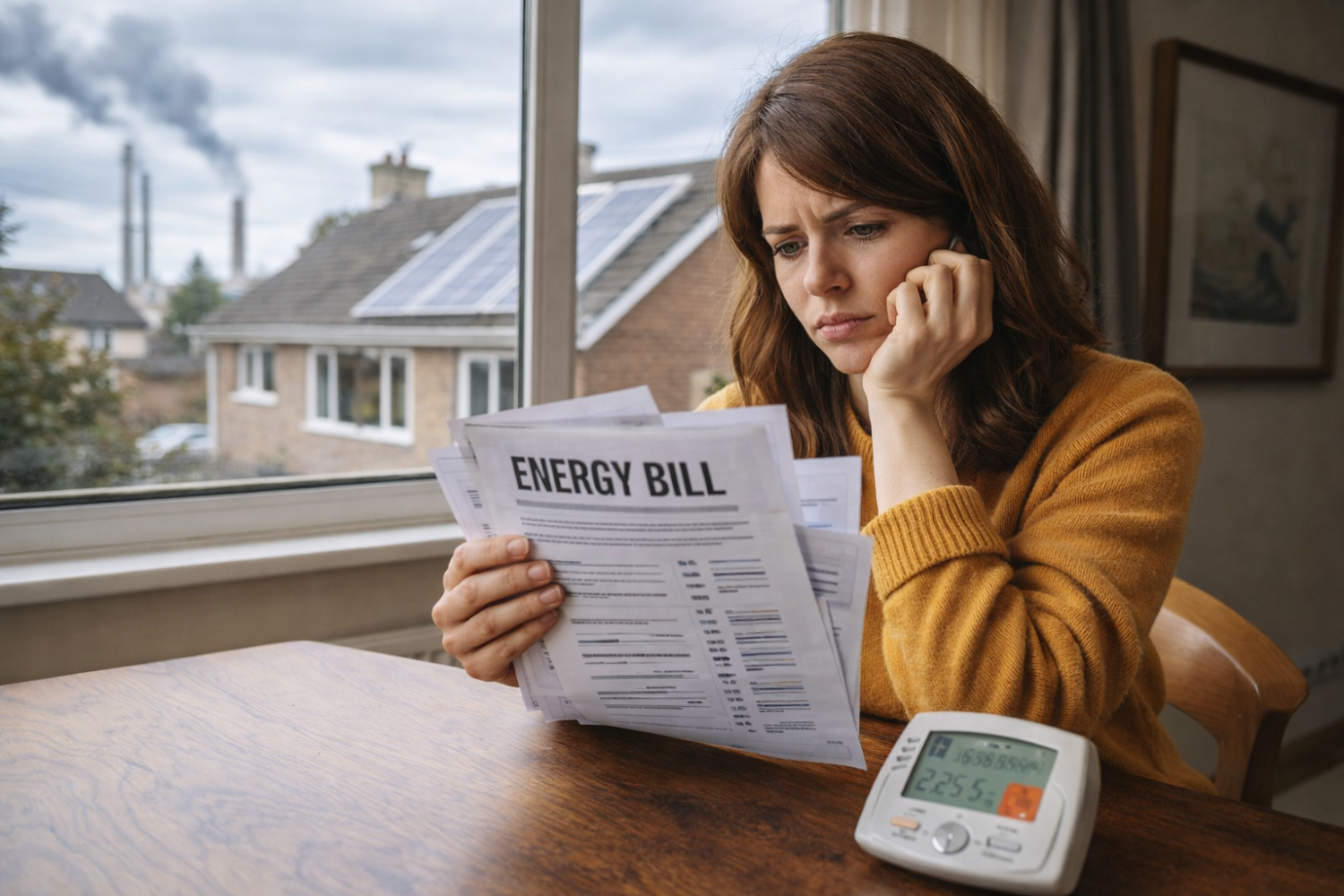
Energy bills in the UK can rise quickly due to global events, and forecasts of average household costs approaching £2,000 per year highlight the risk. The practical way to respond is not panic, but control. That means reducing how much energy you buy and using more of your own. For homes and businesses across Surrey and West Sussex, including Horley, Reigate, Redhill and Crawley, this is where a properly designed energy system can make a real difference.
In this guide, we will explain what is driving rising energy costs and how you can respond in a practical, measured way.
We will cover:
- Why energy bills are rising
- What you can and cannot control
- How solar panels help reduce bills
- Do batteries make a difference?
- What about heating systems and heat pumps?
- Which solutions suit different properties
- Costs, savings and realistic expectations
- What installation involves
- Common mistakes and how to avoid them
- What to do next
Why are energy bills rising?
Energy prices are influenced by global supply and demand, not just UK policy.
Events such as geopolitical tensions can affect oil and gas supply, which in turn affects electricity prices. The UK still relies heavily on gas for electricity generation, so global disruption often feeds directly into household bills.
What this means for you is simple. Prices can rise quickly, and they are difficult to predict or control from a consumer point of view.
What can you actually control?
You cannot control wholesale energy prices, but you can control how much energy you buy.
There are three main levers:
- Reduce how much energy you use
- Improve how efficiently your home uses energy
- Generate some of your own electricity
Most long-term solutions focus on the third point, generating your own power and reducing reliance on the grid.
How do solar panels help reduce energy bills?
Solar panels generate electricity from daylight, which you can use in your home or business.
In areas like Crawley, Reigate and across Surrey and West Sussex, a typical solar system can cover a significant portion of annual electricity use.
During the day:
- Your home uses solar electricity first
- This reduces what you buy from the grid
- Any excess can be exported for payment
The export scheme is called the Smart Export Guarantee, known as SEG, which pays you for electricity sent back to the grid.
Solar does not eliminate your bill entirely, but it can reduce it significantly over time.
Do batteries make a difference?
A battery stores unused solar electricity so you can use it later, usually in the evening.
This increases how much of your own energy you use and reduces reliance on the grid.
However, batteries are not essential.
They tend to suit:
- Homes where people are out during the day
- Households with higher evening electricity use
- Properties looking to reduce grid dependence further
They may be less useful where most electricity is already used during the day, such as small businesses in Horley or Redhill with daytime demand.
A battery adds cost, so it should be considered carefully.
What about heating systems and heat pumps?
Heating is one of the largest contributors to energy bills.
Air source heat pumps can reduce running costs compared to older, inefficient systems, especially when combined with good insulation and correct system design.
Heat pumps use electricity rather than gas, but they are more efficient. Their performance is measured using the Coefficient of Performance, known as COP, which shows how much heat you get from each unit of electricity.
However, they are not a quick fix for high bills on their own. They work best when:
- The property is reasonably well insulated
- The heating system is properly designed
- Flow temperatures are kept low
This is where professional design becomes important.
Which solutions suit different properties?
Not every solution suits every property.
Solar panels tend to suit:
- Homes with usable roof space
- Properties with moderate to high electricity use
- Households planning to stay long term
Batteries tend to suit:
- Evening-heavy electricity use
- Homes wanting more energy independence
Heat pumps tend to suit:
- Homes upgrading heating systems
- Properties with reasonable insulation
- Long-term homeowners
For example, a family home in Crawley may benefit from solar first, while a renovation project in Reigate may combine solar with a heat pump.
JPEC Green Energy can assess your property and explain what is realistic rather than pushing a one-size-fits-all solution.
What kind of savings can you expect?
Savings vary widely depending on:
- Your energy usage
- System size and design
- Tariffs and export rates
- How you use electricity
As a rough guide:
- Solar panels can reduce electricity bills significantly
- Batteries improve how much of that saving you keep
- Heat pumps can reduce heating costs if designed properly
However, no system guarantees fixed savings. Performance depends on real-world conditions and usage patterns.
A tailored estimate is always more useful than generic figures.
What does installation involve?
Most installations are straightforward when properly planned.
Solar panels:
- Typically installed in one to two days
- Mounted on your roof with minimal disruption
Batteries:
- Installed alongside solar or added later
- Usually completed in a short additional visit
Heat pumps:
- More involved
- May require radiator upgrades or system changes
Installers must also handle:
- Electrical safety checks
- System commissioning
- Notifications to the Distribution Network Operator, known as the DNO, which manages the local electricity network
JPEC Green Energy manage this full process, from survey through to installation and handover.
Common mistakes and how to avoid them
Some of the most common issues include:
- Expecting one system to solve everything
- Installing without proper design
- Overestimating savings
- Choosing systems based on trends rather than needs
- Ignoring insulation and usage patterns
These mistakes can lead to disappointing performance and higher costs.
A clear, realistic design is more important than the technology itself.
Practical steps you can take now
If you are concerned about rising energy bills, the best approach is to move step by step.
Start with:
- Reviewing your current energy usage
- Understanding when you use electricity
- Considering solar as a first step
- Looking at batteries or heating upgrades if relevant
For example, a homeowner in Horley might start with solar panels and add a battery later once usage patterns are clear.
JPEC Green Energy can guide you through this process and explain your options in plain English.
When is a professional survey essential?
Always before installing any energy system.
A proper survey will assess:
- Roof suitability and shading
- Electrical setup
- Heating system performance
- Realistic energy usage
JPEC Green Energy are experienced local installers working across Surrey and West Sussex. They can survey, design, install and commission systems properly, while explaining trade-offs and expected performance clearly.
So how can you protect yourself from rising energy bills?
You cannot control global energy prices, but you can reduce your exposure to them.
Solar panels, batteries and efficient heating systems all play a role, but the right combination depends on your property and how you use energy.
The key is to focus on reducing reliance on the grid in a practical and cost-effective way.
JPEC Green Energy can help
If you are concerned about rising energy bills in Surrey or West Sussex, including Horley, Reigate, Redhill or Crawley, JPEC Green Energy can help you understand your options.
They can carry out a detailed survey, design a system tailored to your property and usage, install and commission it properly, and explain expected performance and trade-offs in clear, practical terms.
To get tailored advice and a detailed quote, contact JPEC Green Energy.
This article is general information only and not personal advice. Energy solutions and expected savings should always be confirmed through a professional survey and system design based on your specific property, usage and local network conditions.