How long do solar panels actually last on a typical UK home?
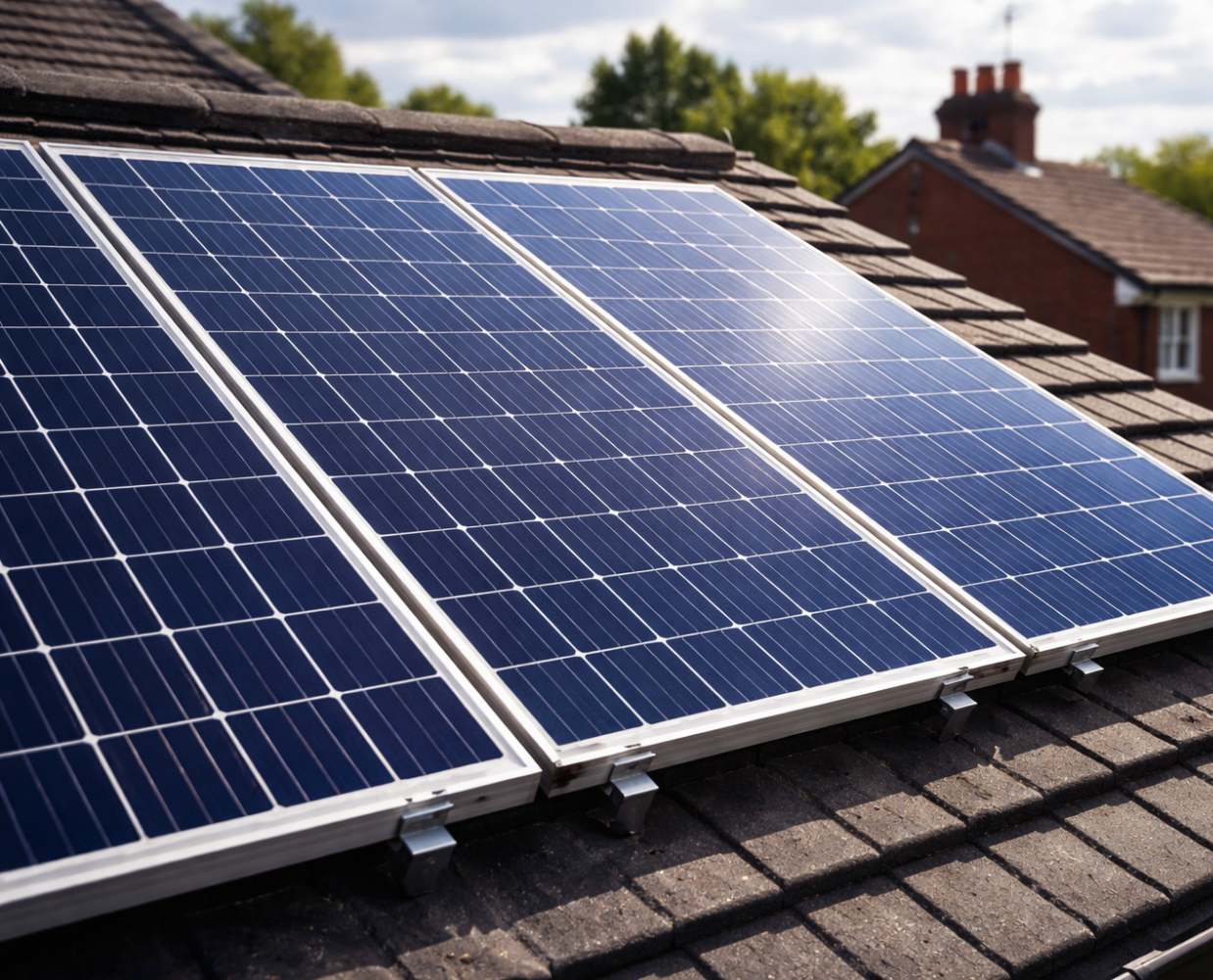
Solar panels on a typical UK home usually last 25 to 30 years or more, with many still producing electricity beyond that, just at a slightly lower output. In places like Surrey and West Sussex, including Horley, Reigate, Redhill, and Crawley, well-installed systems can remain reliable for decades with minimal maintenance.
In this guide, we will explain what “lifespan” really means for solar panels, what affects how long they last, and what you can realistically expect over time. We will cover:
- What solar panel lifespan actually means
- How long panels last in real UK conditions
- What happens to performance over time
- What parts may need replacing sooner
- What affects lifespan on your property
- What warranties really cover
- Maintenance and care
- Common mistakes that shorten lifespan
- Whether solar is still worth it long term
What does “solar panel lifespan” actually mean?
Solar panel lifespan does not mean the panels suddenly stop working after a set number of years.
It means how long they continue to produce a useful amount of electricity. Over time, panels slowly lose efficiency. This is called degradation, which simply means a gradual reduction in output.
Most modern panels are designed to still produce around 80 to 90 percent of their original output after 25 years.
How long do solar panels last in the UK?
In the UK, most solar panels last at least 25 to 30 years, and often longer.
The UK climate is actually quite favourable. We do not get extreme heat that can stress panels, and while we do get rain and wind, modern systems are designed to handle this.
It is not unusual to see systems installed in the early 2000s still running today. In areas like Crawley or Reigate, where conditions are fairly typical, lifespan is more about installation quality than weather extremes.
What happens to performance over time?
Solar panels do not fail all at once. Instead, they slowly produce slightly less electricity each year.
Typical degradation rates are around:
- 0.3% to 0.8% per year
- Around 85% to 90% output after 25 years
In practical terms, this means:
- Year 1: close to full output
- Year 10: still very close to original performance
- Year 25: still producing most of its original energy
What this means for you is that your system continues to generate useful electricity for decades, even if it is slightly less than when new.
What parts of a solar system may not last as long?
The panels themselves are often the longest-lasting part of the system.
Other components may need replacing sooner:
- Inverter (converts solar electricity into usable power): typically lasts 10 to 15 years
- Battery (if installed): often lasts 10 to 15 years depending on use
- Mounting and wiring: usually long-lasting if installed properly
This is important when thinking about long-term costs. You may need to replace an inverter once during the life of the panels.
JPEC Green Energy can explain these timelines clearly during a survey so you know what to expect over time.
What affects how long solar panels last?
Several factors influence lifespan, especially at a property level.
Key factors include:
- Quality of the panels used
- Installation quality and roof fixing method
- Roof condition before installation
- Exposure to shading or debris
- General system design and ventilation
For example, a well-installed system on a modern roof in Redhill will typically last longer with fewer issues than one installed on a poor-quality or ageing roof without proper checks.
This is why a proper survey matters. JPEC Green Energy assess these factors before installation to avoid problems later.
Are solar panels suitable for your property long term?
Most homes in Surrey and West Sussex are suitable for solar panels, but long-term performance depends on a few basics being right.
You are likely suitable if:
- Your roof is in good condition
- You have reasonable sunlight without heavy shading
- You plan to stay in the property for several years
If you are planning to move soon, the long lifespan may still add value, but you may not see the full financial return yourself.
A professional design helps you understand whether solar makes sense for your situation, not just in theory but in practice.
What do solar panel warranties actually cover?
Solar panels usually come with two types of warranty.
- Product warranty: covers defects, typically 10 to 25 years
- Performance warranty: guarantees a minimum output level over time
For example, a panel may be guaranteed to produce at least 85% of its original output after 25 years.
It is important to understand that warranties do not mean zero issues. They provide protection if something goes wrong, but correct installation and design are just as important.
What maintenance is needed over 25+ years?
Solar panels are generally low maintenance, but they are not completely maintenance-free.
Typical maintenance includes:
- Occasional visual checks for debris or shading
- Cleaning if dirt build-up affects performance
- Monitoring output through an app or system display
In most UK homes, rainfall helps keep panels reasonably clean. However, properties near trees or busy roads in areas like Horley or Crawley may need occasional cleaning.
Regular servicing of other components, such as inverters or batteries, may also be needed.
What does installation quality have to do with lifespan?
Installation quality is one of the biggest factors in how long a system lasts.
Poor installation can lead to:
- Water ingress around roof fixings
- Loose connections or wiring issues
- Reduced system performance
- Premature component failure
A properly installed system should be secure, weatherproof, and electrically safe.
JPEC Green Energy are experienced local installers who design and install systems to recognised standards, helping ensure long-term reliability rather than short-term fixes.
Common mistakes that reduce solar panel lifespan
Some issues that shorten lifespan are avoidable.
Common mistakes include:
- Installing on a roof that needs repair
- Choosing low-quality panels to save upfront cost
- Poor system design that causes overheating
- Ignoring shading issues
- Skipping proper commissioning and testing
These problems often show up years later, which is why they are sometimes overlooked at the start.
A well-planned system avoids these risks and is more likely to perform consistently over its full lifespan.
Is solar still worth it if panels degrade over time?
Yes, in most cases solar is still worth it, even with gradual degradation.
The key point is that panels produce most of their energy in the earlier years, when they are closest to full output. Over time, even as performance drops slightly, they continue to generate useful electricity.
When you factor in energy savings over 20 to 30 years, many systems still offer strong value, especially as energy prices change.
The exact return depends on your usage, system size, and tariffs. This is why tailored design matters rather than relying on general estimates.
What should you do next if you are considering solar?
If you are thinking about solar panels, focus on getting the basics right.
Start with:
- A proper survey of your roof and electrical setup
- A clear design based on your usage, not just roof size
- An explanation of expected performance over time
- Understanding of future upgrades such as batteries
JPEC Green Energy can guide you through this process, explain trade-offs clearly, and help you understand what is realistic for your property.
JPEC Green Energy can help
If you are considering solar panels for your home or business in Horley, Reigate, Redhill, Crawley, or across Surrey and West Sussex, JPEC Green Energy can help you make an informed decision.
They can carry out a full survey, design a system suited to your property and usage, and handle installation and commissioning to a high standard. They will also explain expected lifespan, performance, and long-term considerations in plain English so you know exactly what you are getting.
To get started, you can contact them for advice and a tailored quote based on your specific needs.
This guide is general information only and not personal advice. Any solar installation should be designed and specified based on your individual property, usage, and requirements following a professional survey.