
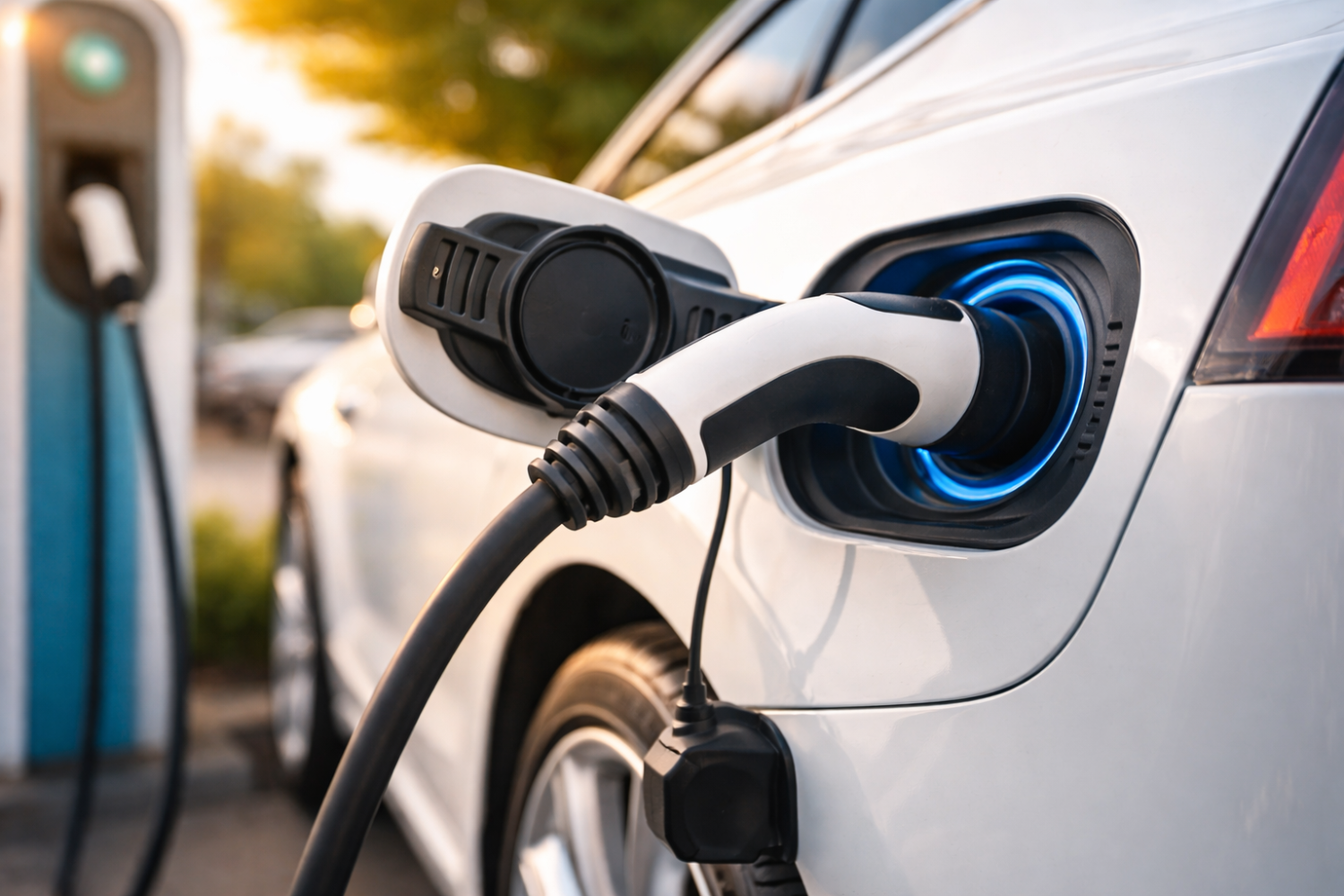
Are electric cars really cheaper to run in the UK as fuel prices rise
The short answer is yes, electric vehicles (EVs) can be cheaper to run than petrol or diesel cars, but it depends heavily on how and where you charge them. With fuel prices rising, more people across Surrey and West Sussex are considering EVs, but the real savings come from charging at home rather than relying on public chargers.
In this guide, we will explain how EV running costs work in practice, why interest is increasing, and what you need to consider before making the switch. We will cover:
- Why fuel prices are pushing interest in EVs
- How EV charging costs actually work
- Home charging vs public charging
- Whether your property is suitable for an EV charger
- What installation involves
- What it costs to run an EV in real terms
- Common mistakes and misunderstandings
- Practical tips before you commit
Why are rising fuel prices increasing interest in EVs?
Higher petrol and diesel prices are making EVs look more attractive as a long-term option.
When fuel costs rise quickly, it highlights how exposed drivers are to global markets. In contrast, EV owners have more control, especially if they can charge at home on cheaper tariffs.
What this means for you is that switching to an EV is not just about being environmentally friendly. It is increasingly about managing and stabilising your running costs over time.
How do EV charging costs work in the UK?
EV charging costs are based on the price of electricity, which varies depending on where and when you charge.
At a basic level:
- You pay per kilowatt-hour (kWh), which is a unit of electricity
- Charging at home is usually much cheaper than using public chargers
- Time-of-use tariffs can reduce costs further if you charge overnight
Why are EV charging costs sometimes confusing?
EV costs can seem inconsistent because there is no single “standard price” for charging.
Costs vary depending on:
- Whether you charge at home or in public
- The type of charger used (slow, fast, or rapid)
- Your electricity tariff
- The time of day you charge
Is home charging cheaper than public charging?
Yes, in most cases, charging at home is significantly cheaper.
For a typical homeowner in Crawley, Reigate, or Redhill:
- Home charging (especially overnight) is usually the lowest cost option
- Public rapid charging is convenient but often much more expensive
- Regular reliance on public charging can reduce overall savings
Is your property suitable for an EV charger?
Most properties can install an EV charger, but there are a few practical considerations.
- Off-street parking makes installation much easier
- Your electrical supply must have enough capacity
- Charger location needs to be safe and accessible
For example, a driveway in Horley or a private parking space in Crawley is typically straightforward. Properties without off-street parking may face more limitations and higher reliance on public charging.
JPEC Green Energy regularly assess properties across Surrey and West Sussex and can advise clearly on what is feasible and what may need upgrading.
What does EV charger installation involve?
Installing a home EV charger is usually a simple process for a qualified installer.
In most cases:
- Installation takes a few hours to one day
- A dedicated circuit is installed from your consumer unit (fuse board)
- The charger is mounted on an external wall or garage
Some installations may require additional work, such as upgrading your electrical supply or gaining approval from your Distribution Network Operator (DNO).
JPEC Green Energy handle the full process, including design, installation, and commissioning.
How much does it cost to run an electric car?
Running costs depend on your charging habits rather than just the car itself.
In simple terms:
- Charging at home overnight is usually the cheapest option
- Charging during peak daytime rates costs more
- Public rapid charging can approach petrol costs in some cases
What are the pros and cons of switching to an EV?
Pros
- Lower running costs if charging at home
- Reduced reliance on petrol or diesel
- Quieter and smoother driving
- Lower emissions
Cons
- Savings depend on access to home charging
- Public charging can be expensive
- Upfront vehicle cost is often higher
- Charging infrastructure varies by location
How can solar panels reduce EV charging costs further?
Solar panels can reduce EV charging costs by generating your own electricity during the day.
You can charge your car using solar generation and reduce how much you buy from the grid.
JPEC Green Energy can design systems that integrate solar, battery storage, and EV charging.
Common mistakes and how to avoid them
- Assuming all EV charging is cheap
- Not considering public charging usage
- Choosing the wrong tariff
- Not planning for future needs
What practical steps should you take before committing?
- Review your fuel costs and mileage
- Check if you can install a home charger
- Compare electricity tariffs
- Get professional advice
Is interest in EVs likely to keep growing?
Yes. As fuel prices remain uncertain, EVs are becoming more common across Surrey and West Sussex.
JPEC Green Energy can help
If you are considering an EV charger or want to integrate it with solar, the next step is a proper assessment.
JPEC Green Energy are experienced installers across Horley, Reigate, Redhill, Crawley, Surrey, and West Sussex.
This guide is for general information only and is not personal advice. Always confirm through a proper survey and design.