Do solar panels work in the UK when it’s cloudy or there’s “no sun”?
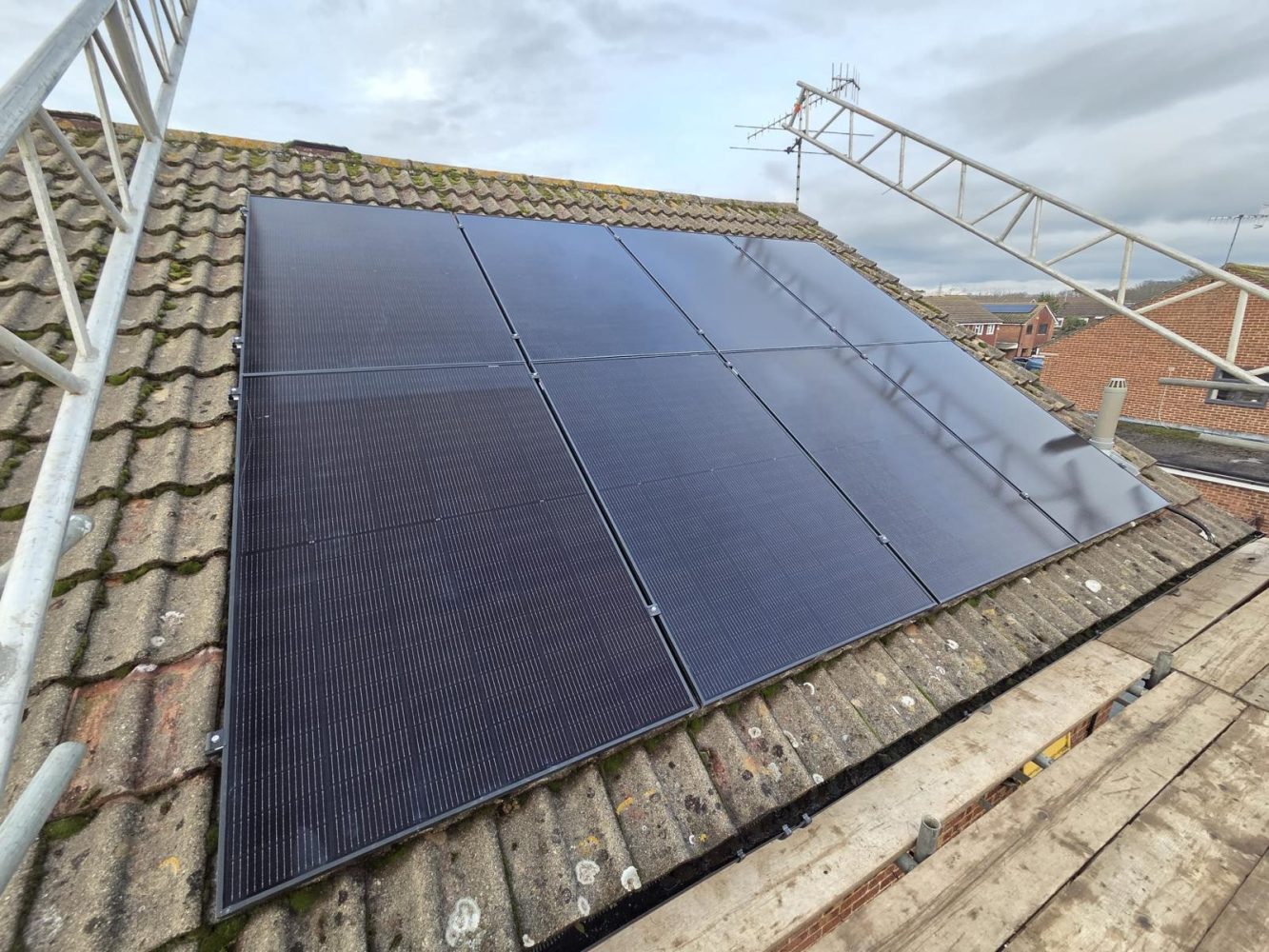
Yes. Solar panels still generate electricity in the UK on cloudy days because they use daylight, not heat, and the sun is still there behind the clouds. Output drops compared to a clear summer day, but a well-designed system can still make a meaningful dent in your electricity bills across the year, including across Surrey and West Sussex in areas like Horley, Reigate, Redhill and Crawley.
In this guide, we’ll cover:
- What solar panels need to generate power
- How much output drops in cloud and winter
- What “good performance” looks like in a UK year
- What affects output most (orientation, shading, roof space)
- How you use solar power in your home or business
- When battery storage helps, and when it doesn’t
- Common myths and misunderstandings
- Installation, disruption, and typical timescales
- Paperwork and approvals (including DNO and SEG)
- What can go wrong, and how to avoid it
- Monitoring, maintenance, and warranties
- Practical steps before you commit
What do solar panels actually need to work?
Solar panels work from light, not direct sunshine. They produce electricity when daylight hits the solar cells and creates a flow of electricity. That happens in bright sun and it still happens in daylight when it’s overcast, which is why solar can work well across the UK, including places like Reigate, Redhill, Horley and Crawley.
The only time solar panels generate close to nothing is at night. During the day, output rises and falls with the strength of daylight. “No sun” usually means “no direct sun”, not “no solar generation”.
If you want a realistic view of what solar could produce on your roof, JPEC Green Energy can assess your layout, shading and usage and explain what’s achievable before you commit.
If it’s cloudy, how much do solar panels generate?
On a cloudy day, output can range from a small fraction up to a decent chunk of what you’d see in strong sunshine. Thin cloud can still allow useful generation. Thick grey cloud can reduce it heavily, but it rarely drops to zero in daylight.
A practical way to look at it is this: solar performance is about the whole year, not a single gloomy afternoon. In Surrey and West Sussex you will see plenty of mixed days where generation comes in waves, with jumps when the cloud breaks.
What happens in winter and shorter days?
Winter is the hardest period for solar in the UK mainly because days are shorter and the sun sits lower in the sky. That reduces the amount of daylight hitting your roof, especially if the roof faces east or west.
Cold weather does not stop solar. Panels can actually be slightly more efficient when they are cool. The limiting factor in winter is the amount of daylight and the sun’s angle, not the temperature.
If your expectation is to cover your full winter electricity use with solar alone, you’ll usually be disappointed unless you’re designing a specialist setup with significant storage. If you simply want a solid annual contribution to your electricity, solar can still make sense.
What does “good performance” look like over a UK year?
Most people do not need solar to work brilliantly every day. They need it to perform reliably over the year and line up with how they use electricity.
In real homes and small businesses around Crawley, Reigate, Redhill and Horley, solar tends to be most valuable when it reduces daytime imports from the grid. That is especially true when you have steady daytime loads such as fridges, routers, servers, tills, or office equipment, plus the normal day-to-day appliance use.
Solar is less effective at covering high evening usage unless you add battery storage. It also will not replace the grid entirely for most properties. The right question is often not “Will it work when it’s cloudy?” but “How much will it cover for my usage, across the year?”
What affects output the most in the UK?
A proper survey matters because solar is not one size fits all. The biggest performance factors are usually straightforward, and a good installer will walk you through them clearly.
The main factors are:
- Orientation and pitch: South-facing roofs tend to generate more overall, but east and west roofs can still work well, especially if your usage matches morning and late afternoon generation.
- Shading: Chimneys, dormers, trees, and nearby buildings can reduce output. Good design accounts for this and can change where panels go, or whether solar is worthwhile at all.
- Roof space and layout: Available roof area and usable panel positions limit system size, even if you want a larger setup.
- Inverter choice: The inverter is the box that converts the panels’ electricity into the type your home uses. A hybrid inverter is an inverter that can also manage a battery, which keeps your options open if you add storage later.
- System size (kWp): kWp means “kilowatt peak”. It is a rated size under standard test conditions. Bigger kWp usually means more annual generation, but only if the roof allows it and the design is right.
If you’re in Surrey or West Sussex and want a straight answer on expected output, JPEC Green Energy can survey your roof and explain the impact of orientation, shading and usable roof space in plain English.
How will solar help if you’re not at home in the daytime?
This is the key real-world question for many households.
Solar is most valuable when you use the electricity as it is generated. If you are out at work weekdays, you can still benefit, but you may export more to the grid and use less directly.
Small changes can make a real difference. For example:
- Running the washing machine or dishwasher late morning or early afternoon
- Using timers or smart plugs to shift a few flexible loads into daylight hours
- Heating hot water during brighter periods if you have an immersion heater and it’s suitable
- Doing some daytime EV charging if your routine allows it
If none of that is realistic for you, that does not automatically rule solar out. It just means the system should be sized and explained with export in mind, so you know what you’re buying.
Do you need a battery to make solar worthwhile?
Not always.
A battery stores surplus solar for later, usually the evening. Whether it is worth it depends on how much surplus you have, what your evenings look like, and what tariff you are on.
As a rule of thumb:
- No battery: you save most when you use solar directly during the day, and you may export the rest.
- With a battery: you can usually use more of your own solar later, but you add cost and another component that needs correct design and setup.
A battery can be especially helpful if your usage is high in the evening, or if you want more predictable self-consumption. It can also work well when pairing solar with EV charging or heat pumps.
It is common to install solar first with a hybrid inverter, then add a battery later once you’ve seen your real generation and usage.
Will solar still work during a power cut?
Standard solar systems shut down during a power cut for safety reasons. This stops your system from feeding electricity into the grid while engineers may be working on it.
If backup power is important to you, you need a design that specifically supports it. In most cases that means:
- A battery system that can provide backup power
- A compatible inverter with backup capability
- A plan for which “essential loads” you want to keep running, such as lighting, refrigeration, broadband, or medical equipment
Backup is not automatic. It must be designed in from the start, and it needs to be commissioned properly so it behaves as expected.
If power-cut resilience is on your list, JPEC Green Energy can talk you through what is realistic, what it costs in complexity, and how to prioritise the loads that matter.
What about exporting to the grid and SEG payments?
If you export surplus electricity, you may be able to get paid for it through SEG.
SEG stands for “Smart Export Guarantee”. It is a scheme where energy suppliers pay you for electricity you export, typically measured by a smart meter.
Two practical points:
- SEG rates vary by supplier and they can change over time.
- Export is usually a bonus, not the main reason solar adds up. For most properties, the biggest value is using your own electricity and buying less from the grid.
Do you need permission or approvals to install solar panels?
Most domestic solar installations are classed as permitted development, so you typically do not need planning permission. There are exceptions, such as listed buildings, conservation areas, and certain mounting positions. If you are in doubt, check before you commit.
You may also need approval from your local electricity network operator.
DNO stands for “Distribution Network Operator”. They run the local electricity network in your area. Some solar systems need notification, and some need approval before installation, depending on size and equipment.
A competent installer will handle the DNO process and confirm what applies to your property, whether you are in Horley, Reigate, Redhill, Crawley, or elsewhere in Surrey and West Sussex.
What does installation involve, and how disruptive is it?
For many homes, the physical install is fairly quick. The bigger part is correct design, safe installation, and proper commissioning.
A typical journey is: survey, design, installation, commissioning, then handover and paperwork. On the day, expect access to loft spaces, meter areas, and the consumer unit. There may be some drilling for cable runs and usually a short power outage while electrical work is completed and tested.
Timescales vary depending on survey findings, equipment lead times, weather, and any DNO requirements, but your installer should be clear about the plan and what you can expect. If you want a smoother experience with fewer surprises, JPEC Green Energy can manage the process end-to-end and keep you updated at each step.
What can go wrong, and how do you reduce the risk?
Solar is generally reliable, but disappointment usually comes from poor design or poor communication, not the technology itself.
The most common problems are shading not being properly assessed, panels squeezed into awkward roof areas, inverters placed in poor locations, monitoring not set up correctly, or paperwork delays around DNO approvals and export setup.
To reduce risk, focus on the fundamentals:
- A proper survey that checks shading, roof condition, cable routes, and your usage pattern
- A design that matches how you use electricity, not just the maximum number of panels that fit
- Clear commissioning and monitoring setup, so you can spot issues early
- Installer support for paperwork, including DNO and export guidance
If you want a system that performs properly across the year, JPEC Green Energy can design around your roof constraints and your real usage, then explain the trade-offs clearly before work starts.
What maintenance is needed?
Solar panels have no moving parts, so maintenance is usually light.
Most of the time, the main “maintenance” is simply keeping an eye on monitoring so you can spot unexpected drops in generation. Panels may need occasional cleaning if you have heavy soiling, overhanging trees, or birds. The inverter is often the component most likely to need attention over the long term because it does the conversion work all day.
A good handover should show you how to use the monitoring app, what normal seasonal performance looks like, and who to contact if something seems off.
Practical tips before you commit
Before you say yes, it helps to sense-check the decision against your day-to-day reality.
A quick checklist:
- When do you use most electricity, daytime or evening?
- Is shading likely from trees, chimneys, or nearby buildings?
- Would you consider a battery now, or keep the option open with a hybrid inverter?
- Do you care about backup power in a power cut, or is grid-tied solar enough?
If you want to turn those questions into a clear plan, JPEC Green Energy can survey your property in Horley, Reigate, Redhill or Crawley and talk you through the best options for your budget and goals.
JPEC Green Energy can help
If you want a clear, realistic answer for your roof, the next step is a proper survey and design. JPEC Green Energy can assess your property in Horley, Reigate, Redhill, Crawley and across Surrey and West Sussex, then recommend a solar setup that performs well in real UK conditions and matches how you actually use electricity. Get in touch for straightforward advice and a detailed quote based on your site and usage.
This guide is general information, not personal advice. Performance, costs, savings, and suitability vary by property, roof layout, shading, usage patterns, tariffs, and equipment choice. Always confirm recommendations through a site survey and system design for your specific needs.