Why are record numbers of homes in Great Britain switching to green energy as fuel prices rise?
The short answer is that more UK households are switching to solar panels, heat pumps, and other green energy systems because energy bills have become higher and less predictable, partly due to global instability and conflict affecting fuel supply. Many people are looking for ways to reduce their reliance on the grid and protect themselves from future price rises.
In this guide, we will explain what is driving this shift, what it means in practice, and whether it is worth considering for your property in Surrey, West Sussex, or elsewhere in the UK. We will cover:
- What is meant by “switching to green energy”
- Why fuel prices are rising and the role of global conflict
- Which technologies people are installing
- Whether your property is suitable
- What savings and performance to expect
- What installation involves
- Common pitfalls and misunderstandings
- Practical steps before you commit
What does “switching to green energy” actually mean?
In simple terms, it means generating or using more of your own low-carbon energy instead of relying fully on gas or grid electricity.
For most homes and small businesses in places like Crawley, Reigate, Redhill, and Horley, this usually involves one or more of the following:
- Solar panels to generate electricity from daylight
- Battery storage to store that electricity for later use
- Air source heat pumps to replace or reduce gas heating
- Electric vehicle (EV) chargers to move away from petrol or diesel
It does not mean going fully “off-grid” in most cases. Most properties still rely on the grid, but far less than before.
How is global conflict affecting UK energy bills?
Global conflict has a direct impact on UK energy prices because it disrupts the supply of oil and gas, which are traded on international markets.
Even though the UK produces some of its own energy, it is still influenced by global pricing. When conflict affects major producers or supply routes:
- Gas prices increase across Europe
- Electricity prices rise because gas is still used to generate power
- Suppliers pass those costs on to households and businesses
What this means for you is that energy bills can rise quickly and remain unpredictable. This is one of the main reasons more households in Surrey and West Sussex, including Crawley and Reigate, are looking at solar and other technologies to reduce reliance on external supply.
Why are fuel prices driving this trend?
Rising and unstable energy prices are pushing people to act.
Even when prices drop slightly, they remain higher than many households were used to before recent global events. This creates uncertainty.
In practical terms:
- You cannot rely on stable long-term energy costs
- Gas is no longer always the cheapest option
- Generating your own electricity becomes more attractive
For many households, this is less about reacting to a single price spike and more about long-term control.
Which green technologies are most popular right now?
The biggest growth has been in a few key areas.
Solar panels
Still the most common starting point. They generate electricity during the day and reduce what you buy from the grid.
Battery storage
Lets you store unused solar energy and use it later, especially in the evening.
Heat pumps
Use electricity to heat your home instead of gas. Best suited to well-insulated properties.
EV chargers
Allow you to charge electric vehicles at home, often using cheaper or solar-generated electricity.
Many households are now combining systems to get better overall performance.
Is your property suitable for green energy upgrades?
Most properties can adopt some form of green energy, but suitability depends on a few practical factors.
- Roof direction and shading affect solar output
- Insulation levels affect heat pump performance
- Available space is needed for equipment
- Electrical capacity can limit system size
For example, a south-facing roof in Redhill may be ideal for solar, while a well-insulated home in Crawley may suit a heat pump. Older homes in Horley or Reigate can still work well, but may need upgrades.
JPEC Green Energy regularly carry out surveys across Surrey and West Sussex and can explain clearly what is suitable and what is not for your specific property.
How much can you actually save?
Savings depend heavily on how you use energy.
For example:
- Daytime usage increases the benefit of solar
- Evening usage benefits more from batteries
- EV charging patterns can significantly affect savings
You may see:
- Reduced daytime electricity bills
- Lower evening costs with stored energy
- More predictable overall energy spend
However, results vary depending on system design, tariffs, and your lifestyle.
What does installation involve?
Installation is usually straightforward but does involve some disruption.
Solar and battery systems
- Typically 1–3 days
- Scaffolding required
- Electrical work inside the property
Heat pumps
- Usually 2–5 days
- May require radiator or pipework changes
- Outdoor unit installation
EV chargers
- Often installed within a day
There is also paperwork, including DNO (Distribution Network Operator) notifications, which your installer should handle.
JPEC Green Energy manage the full process from design through to commissioning, including approvals and setup.
What are the main pros and cons?
Green energy systems offer clear benefits, but they are not suitable for everyone.
Pros
- Reduced reliance on grid energy
- Protection against rising fuel costs
- Lower carbon emissions
- Potential property value benefits
Cons
- Upfront investment required
- Performance depends on your property
- Savings vary
- Some lifestyle adjustments may be needed
The key is to make a decision based on your situation, not general claims.
Common mistakes and how to avoid them
Many issues come down to poor planning or unrealistic expectations.
Common mistakes include:
- Installing the wrong system size
- Not considering how energy is used in the home
- Skipping insulation improvements
- Choosing purely on lowest price
A well-designed system should match your property and usage patterns.
JPEC Green Energy focus on clear, practical system design to avoid these common problems.
What practical steps should you take before committing?
Take a structured approach before making any decisions.
Start with:
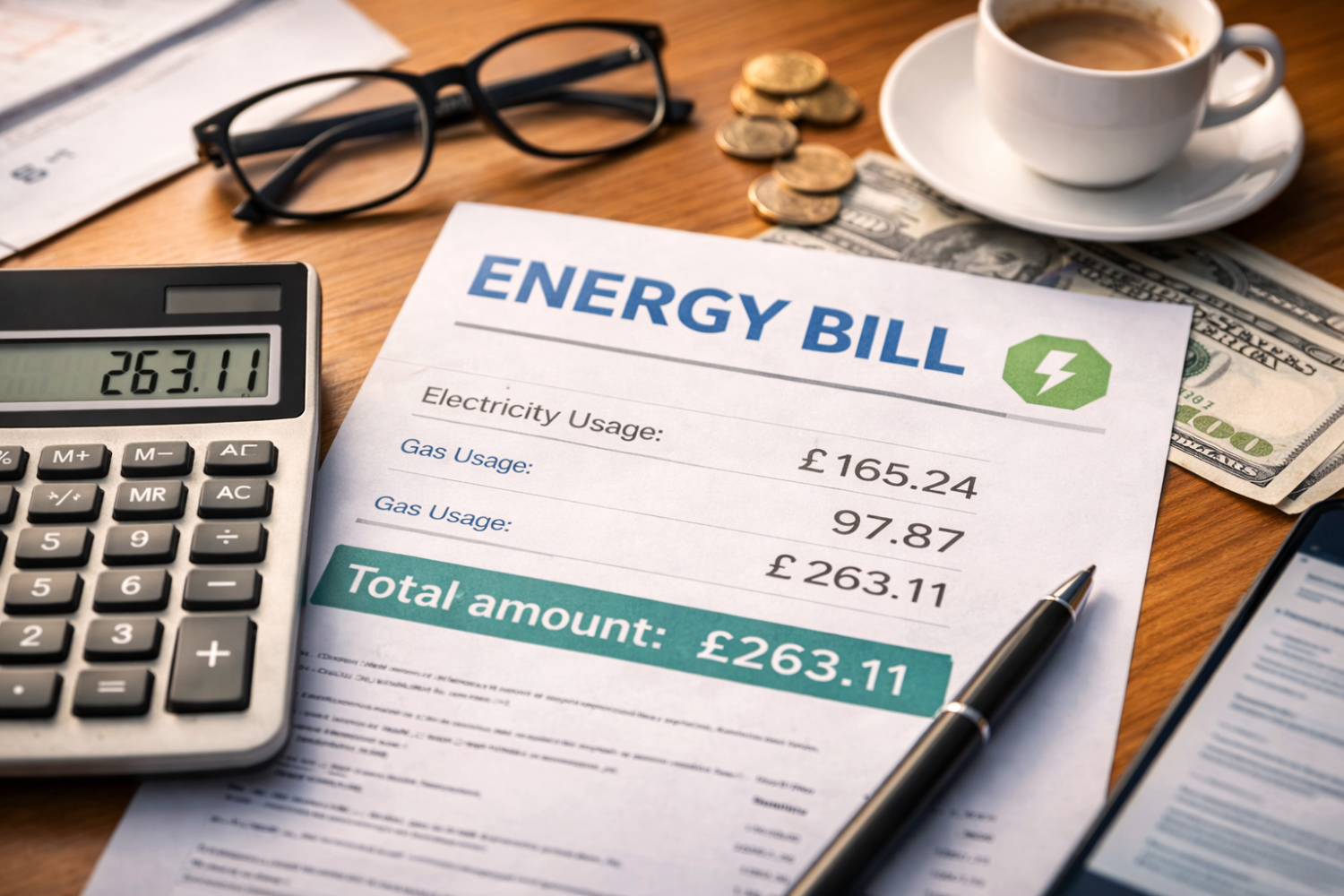
- Reviewing your energy bills
- Understanding when you use energy most
- Thinking about future needs such as EVs
Then:
- Arrange a professional survey
- Ask for realistic performance estimates
- Understand installation and aftercare
Avoid rushing based on headlines or short-term concerns.
Is this trend likely to continue?
Yes, and global factors such as conflict and supply disruption are a big part of that.
Energy markets are likely to remain volatile, and the UK is still linked to global pricing. This means:
- Energy bills may continue to fluctuate
- Long-term certainty is limited
- Self-generation becomes more attractive
For homeowners and businesses in areas like Crawley, Reigate, and across Surrey and West Sussex, green energy is becoming a more practical long-term option rather than a niche choice.
JPEC Green Energy can help
If you are considering solar panels, battery storage, a heat pump, or EV charging, the next step is a proper survey and system design based on your property and how you use energy.
JPEC Green Energy are experienced local installers working across Horley, Reigate, Redhill, Crawley, Surrey, and West Sussex. They can assess suitability, explain trade-offs clearly, and design and install a system that works in practice.
This guide is for general information only and is not personal advice. Any recommendations should be confirmed through a detailed survey and system design based on your specific property, usage, and requirements.